Revelation
The Apocalypse — Greek for “unveiling” — is the last book of the Christian Bible and the only fully prophetic book of the New Testament.
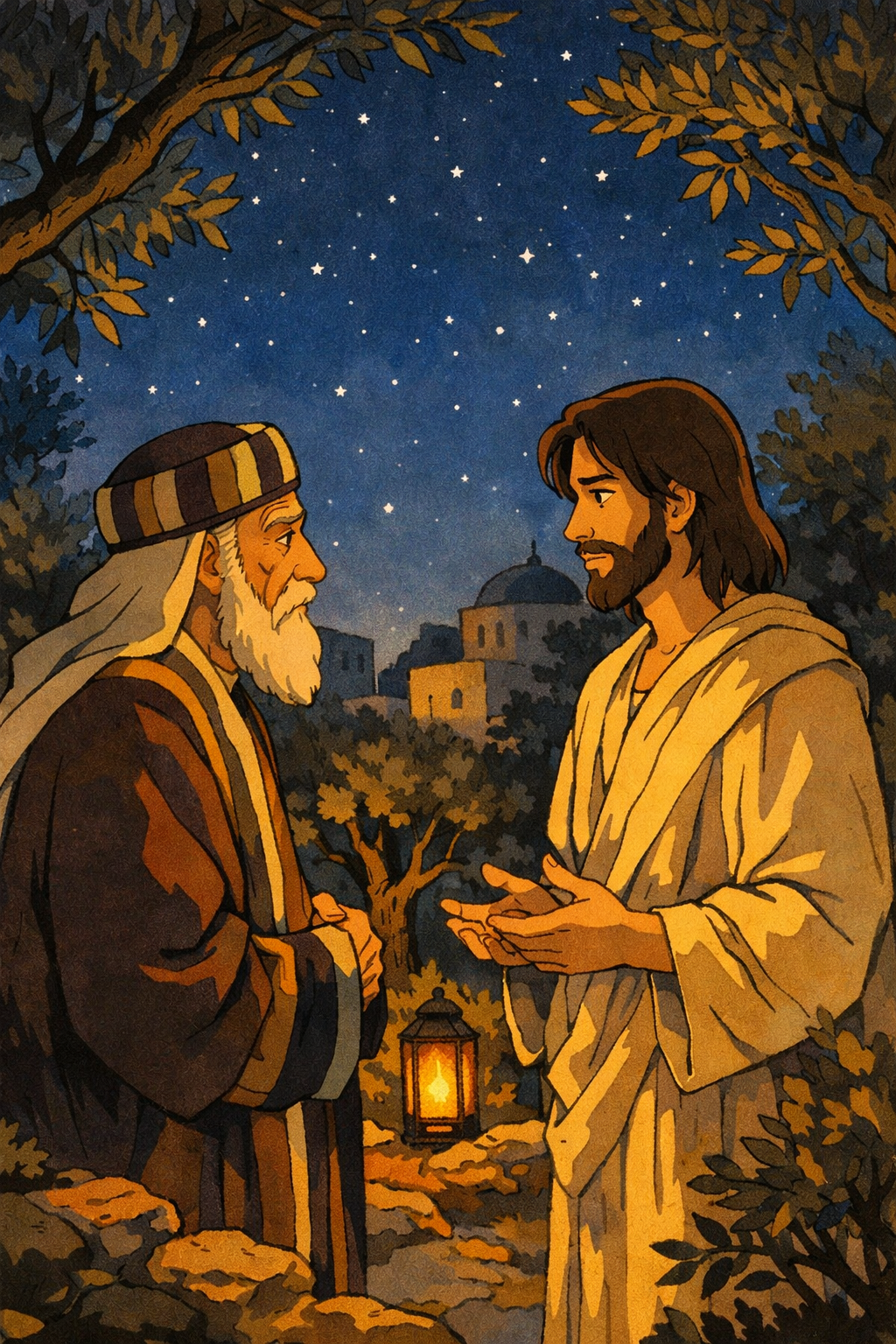
About Revelation
The Apocalypse — Greek for “unveiling” — is the last book of the Christian Bible and the only fully prophetic book of the New Testament. It opens with the seer's name and his place: “I John… was in the island, which is called Patmos, for the word of God, and for the testimony of Jesus” (1:9). What follows is the most visionary and most liturgically saturated book in all of Scripture, given through John in the last decade of the first century and addressed first to seven churches in Asia Minor groaning under Domitian's persecution.
From Saint Justin Martyr (ca. AD 150), Saint Irenaeus, and Saint Hippolytus onward, the patristic tradition has identified the seer as Saint John the Apostle, author also of the Gospel and the three letters that bear his name. A few of the Eastern Fathers — notably Eusebius and Saint Dionysius of Alexandria — distinguished the seer from the evangelist on stylistic grounds; the Western tradition, the Council of Florence, and the Council of Trent affirmed apostolic authorship. Most Catholic scholars place the composition around AD 95, near the close of John's long life in Ephesus, while he was exiled to the small Aegean island of Patmos for the word of God.
The themes of Revelation are cosmic and liturgical: the throne of God, the slain and risen Lamb, the prayers of the saints rising as incense, the four living creatures and the twenty-four elders, the woman clothed with the sun, the dragon, the seven seals and seven trumpets and seven bowls, the marriage supper of the Lamb, the new heaven and the new earth, the holy city of New Jerusalem. The book is steeped in the Old Testament — virtually every verse contains an allusion to Daniel, Ezekiel, Isaiah, Zechariah, or the Psalms — yet refracts those images through a Christological lens: at the center of every vision stands the Lamb who was slain.
Literarily, Revelation is structured around sevens. Seven letters to the seven churches (chs. 2–3), seven seals (5:1–8:5), seven trumpets (8:6–11:19), seven bowls (15:1–16:21), seven scenes of triumph (chs. 17–22). The pattern is not strictly chronological; rather, the seer returns again and again to the same fundamental drama from different angles, like an icon shown from different sides. The book is also the most extensively liturgical book of the Bible: hymns and acclamations rise from every quarter — the Sanctus (4:8), the Agnus Dei (5:9–14), the Gloria (15:3–4), the Hallelujah (19:1–8). Read carefully, Revelation is the Book of the heavenly liturgy, and earthly liturgy at its best is a participation in what John saw.
In Catholic life, Revelation is read in pieces throughout the year — Solemnities of All Saints, Christ the King, the Assumption (the woman clothed with the sun is read on the August 15 Mass), the Easter season weekdays. The Catechism cites the book some sixty times — on the seventh seal of liturgical history (CCC 671), on the bride of the Lamb (CCC 757), on the heavenly liturgy (CCC 1138), on the holy city of God (CCC 757, 1045). The book ends as the Bible ends — with prayer and longing: “Come, Lord Jesus” (22:20). Marana tha. The Christian's daily prayer.
Key verse
“And God shall wipe away all tears from their eyes: and death shall be no more, nor mourning, nor crying, nor sorrow shall be any more, for the former things are passed away.”
— Revelation 21:4
Notable chapters in Revelation
- Revelation 1
The vision of Christ on Patmos
“I am Alpha and Omega, the beginning and the end.” John falls at the feet of the risen Christ, who walks among the seven golden candlesticks.
- Revelation 4
The throne of God
The four living creatures and the twenty-four elders cry “Holy, holy, holy” — the heavenly Sanctus that we sing at every Mass.
- Revelation 5
The Lamb that was slain
“Worthy is the Lamb…” The Agnus Dei. The Lamb takes the scroll from the right hand of the One on the throne.
- Revelation 7
The 144,000 sealed and the great multitude
“These are they who are come out of great tribulation, and have washed their robes, and have made them white in the blood of the Lamb.”
- Revelation 12
The woman clothed with the sun
“A great sign appeared in heaven: a woman clothed with the sun.” Read on the August 15 feast of the Assumption — a Marian text.
- Revelation 19
The marriage supper of the Lamb
“Blessed are they that are called to the marriage supper of the Lamb” — the words the priest speaks at the Eucharist before communion.
- Revelation 21
A new heaven and a new earth
“Behold, I make all things new” — “He shall wipe away every tear from their eyes” — the new Jerusalem coming down from God.
- Revelation 22
The river of life and “Come, Lord Jesus”
The Bible ends with the river of life flowing from the throne, and the Spirit and the Bride saying: “Come.”
Read Revelation the way it was meant to be read.
Story Mode, illuminated chapter art, and audio narration in seven languages — free on iOS.
Read Revelation in Sacred Scrolls